Inside Northland's new radiation oncology service shaped by many hands
Just weeks after welcoming its first patients, the new Radiation Oncology Service at Whangārei Hospital received a Highly Commended recognition in the Collaboration Over $20 Million Projects category at the 2026 Building People Awards.
The award highlights the exceptional collaboration between Health New Zealand | Te Whatu Ora, project partners, mana whenua, clinicians, local subcontractors and community contributors who helped deliver one of Northland’s most significant healthcare investments.
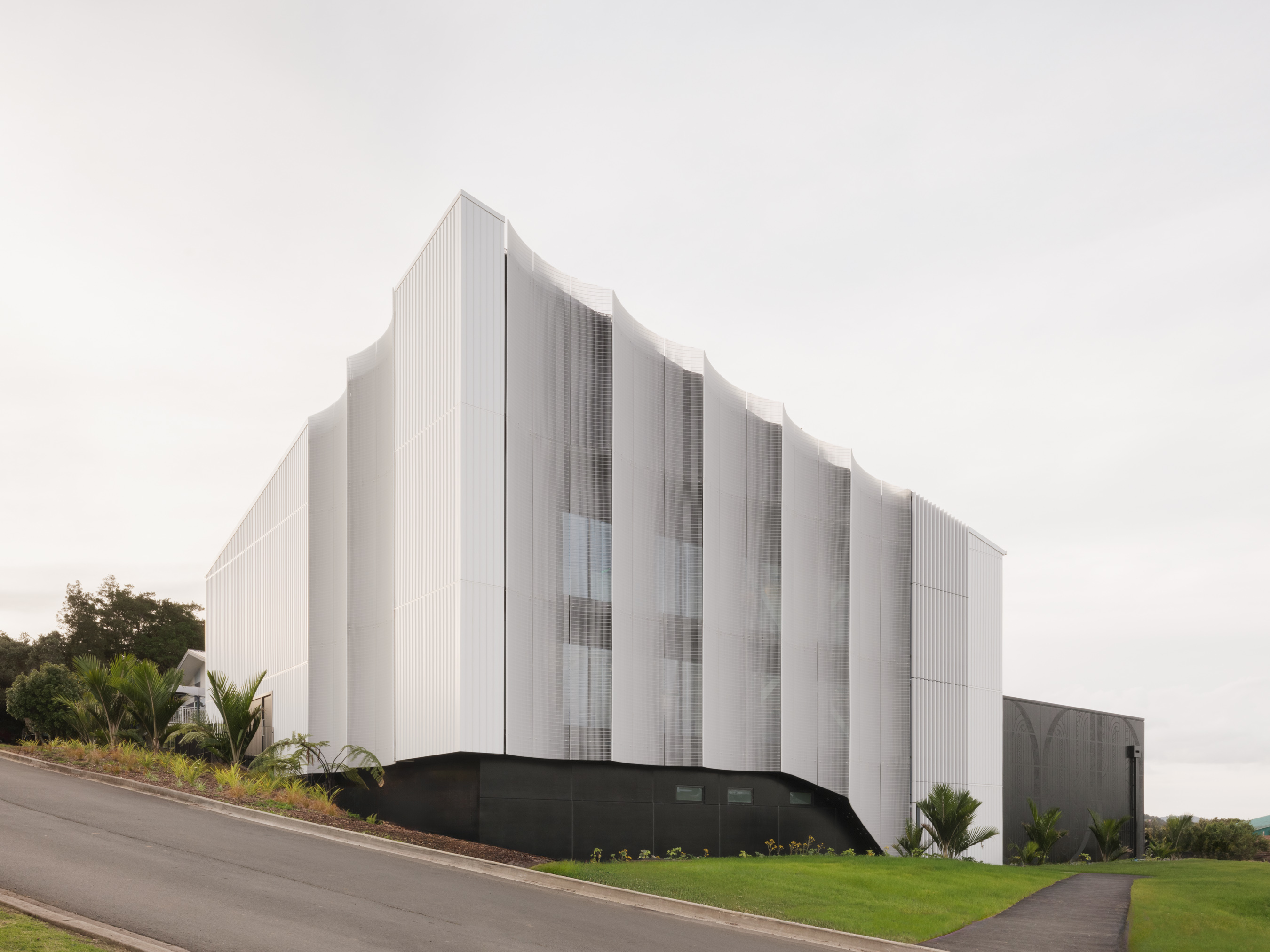
The new radiation oncology service at Whangārei Hospital was shaped by many hands.
Known as Te Hihiri Whakahauora — the vital energy of healing — the building provides local radiation treatment for Northlanders the first time, and is designed to be place of healing, dignity and connection for generations to come.
Jasmax designed the facility in partnership with Health New Zealand | Te Whatu Ora and the community. Whānau and artists from all generations contributed to the design, even local school children.
When health facilities are designed hand-in-hand with the people who will use them, the whole community benefits. Delivered by Argon Construction, 90 per cent of the subcontractors and suppliers were from Northland, boosting the local economy and resulting in a facility that reflects the needs of its people.
From the use of native timber recovered from local rivers to artwork referencing nature as a healer, the cultural stories and indigenous knowledge woven through the facility come from the community itself, helping people feel at home in the space.
We’d like to tell you about the thinking behind the design and meet some of the people who made this project happen.
The mesh façade screen
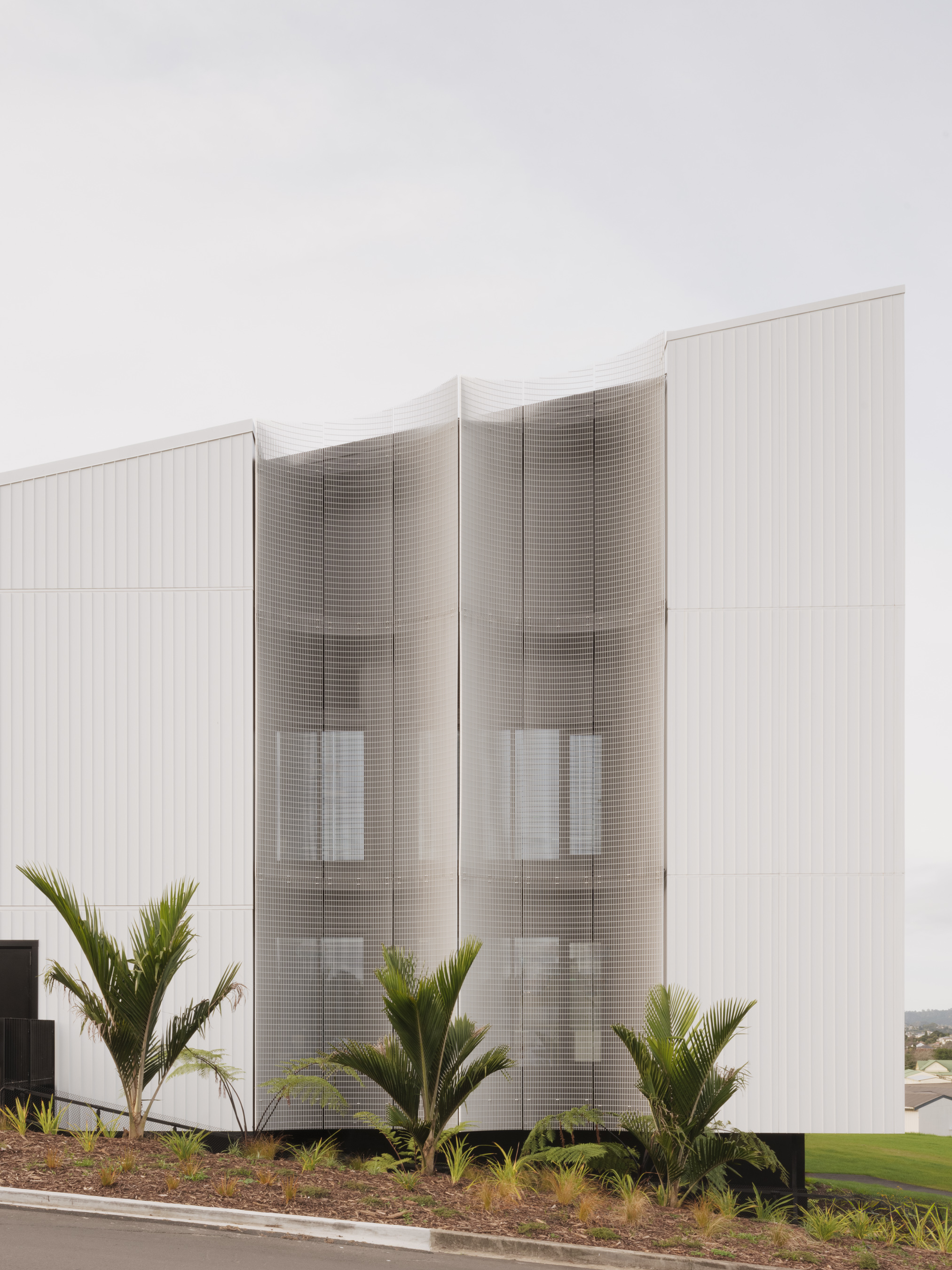
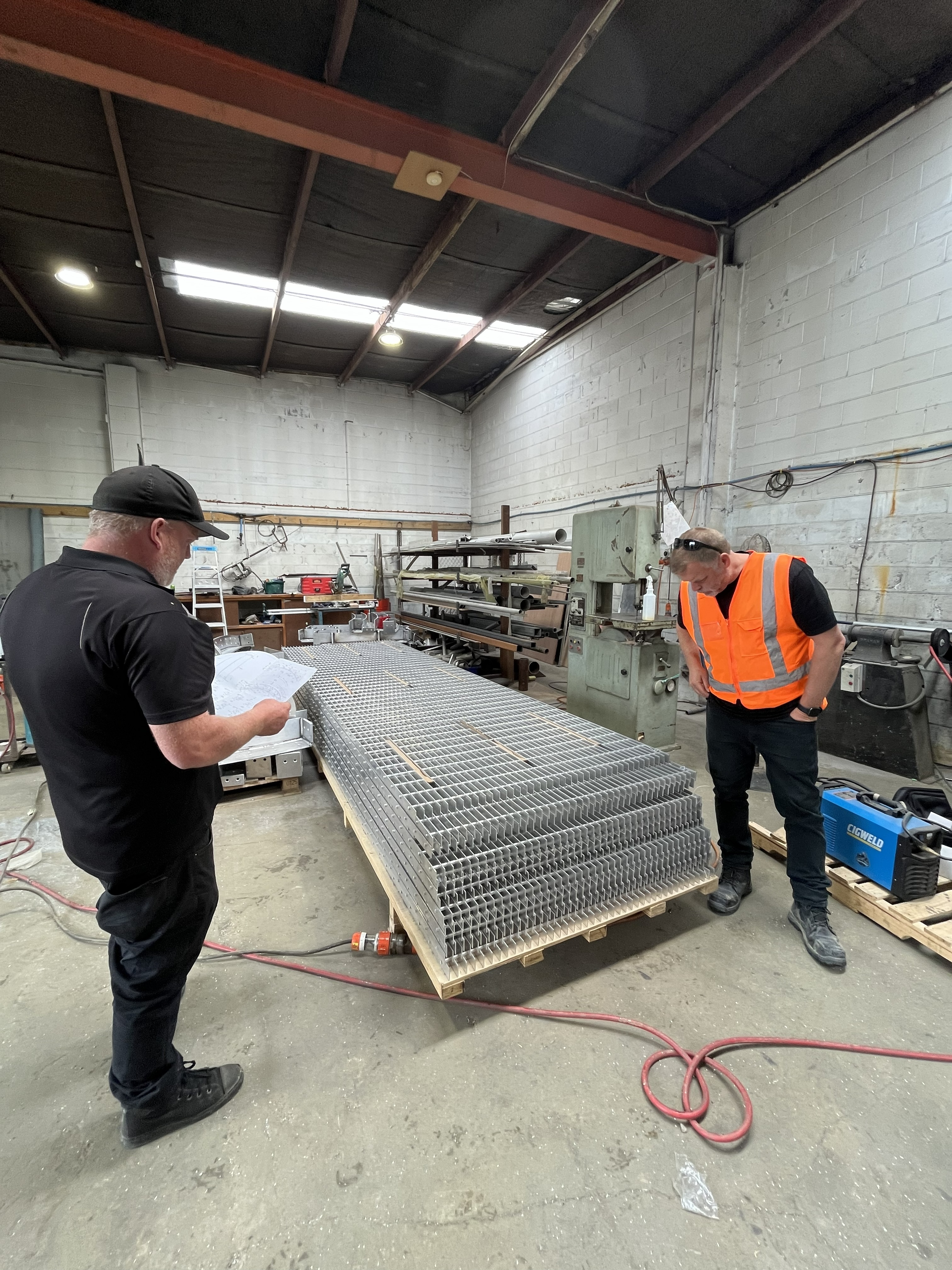
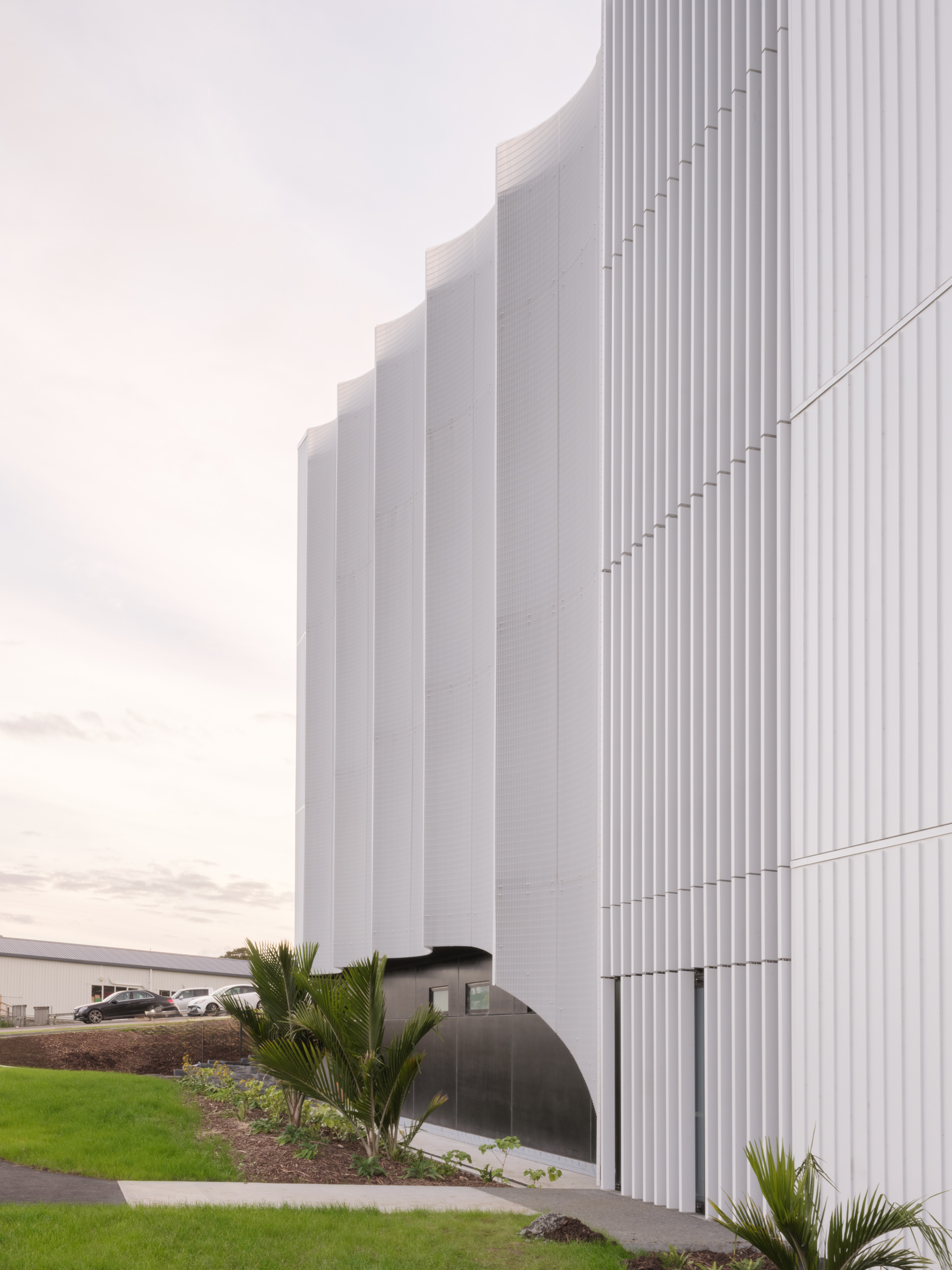
The outside of the building transforms an economic building product, aluminium grating panels normally used for walkways in industrial settings, into a functional and elegant screen.
Local engineers brought their skills to the table, pressing the flat product into curved panels, which were arranged to create the fluted profile that distinguishes the building’s façade.
The lightweight screen filters sunlight and glare, giving privacy to those inside. The affordable, functional element transforms a practical design into a memorable landmark and beacon of hope for the community.
Enclosure of the radiation treatment rooms
At ground level are the treatments rooms, where around 370 patients per year can now receive radiotherapy.
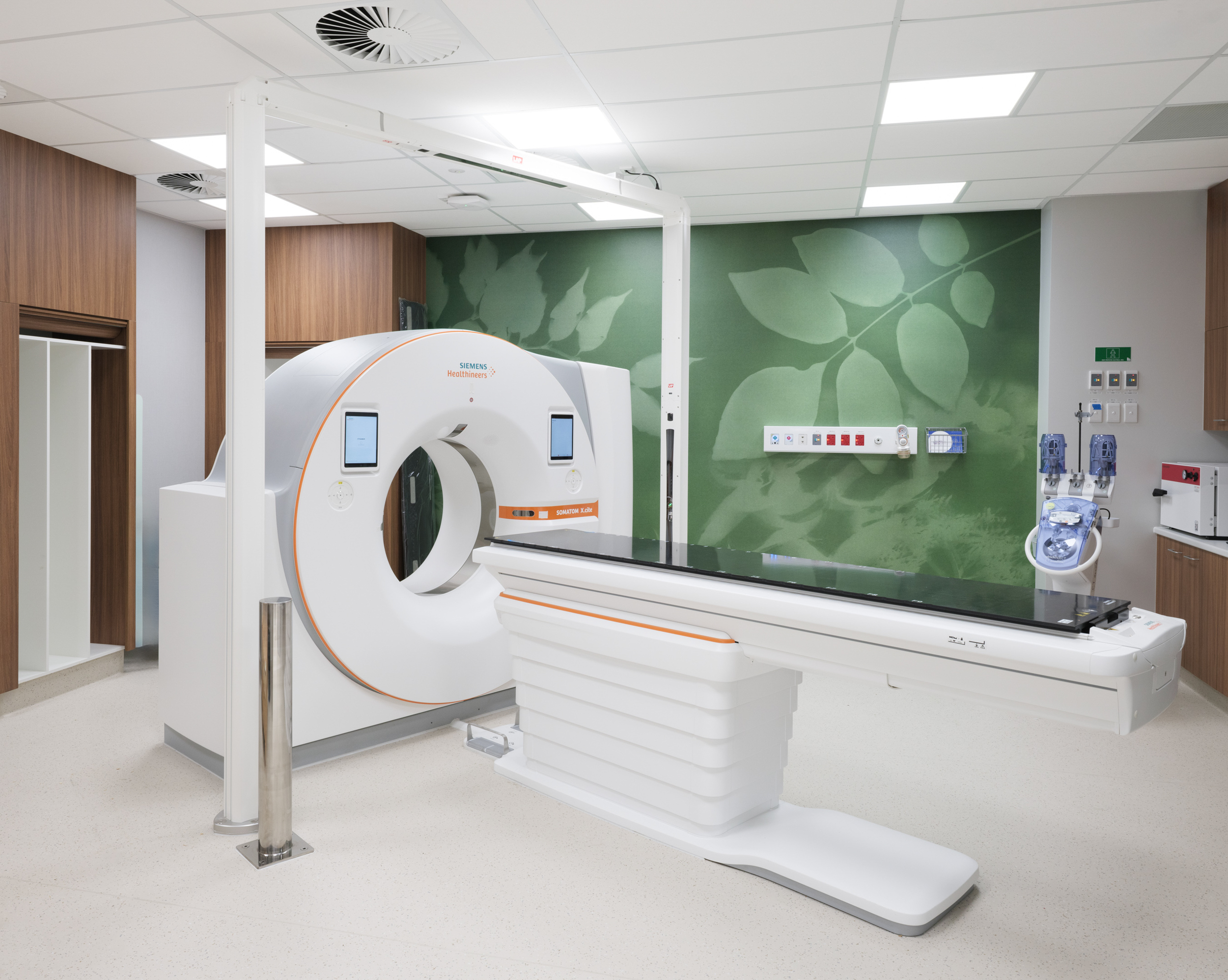
The purpose-built treatment rooms contain a CT scanner and the region’s first-ever linear accelerator, a machine targeting radiation at tumours. The building has been designed to accommodate a second linear accelerator as demand grows.
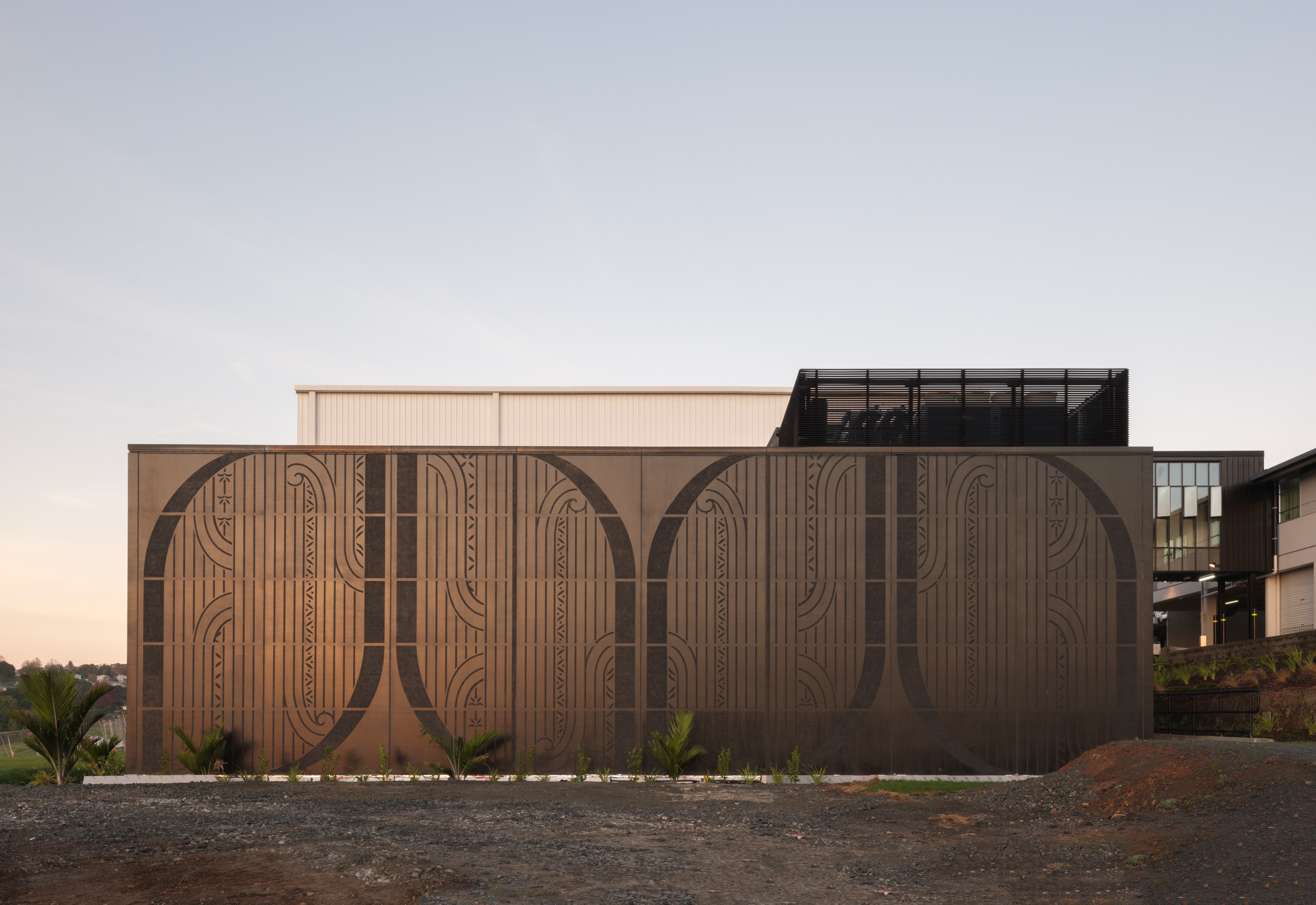
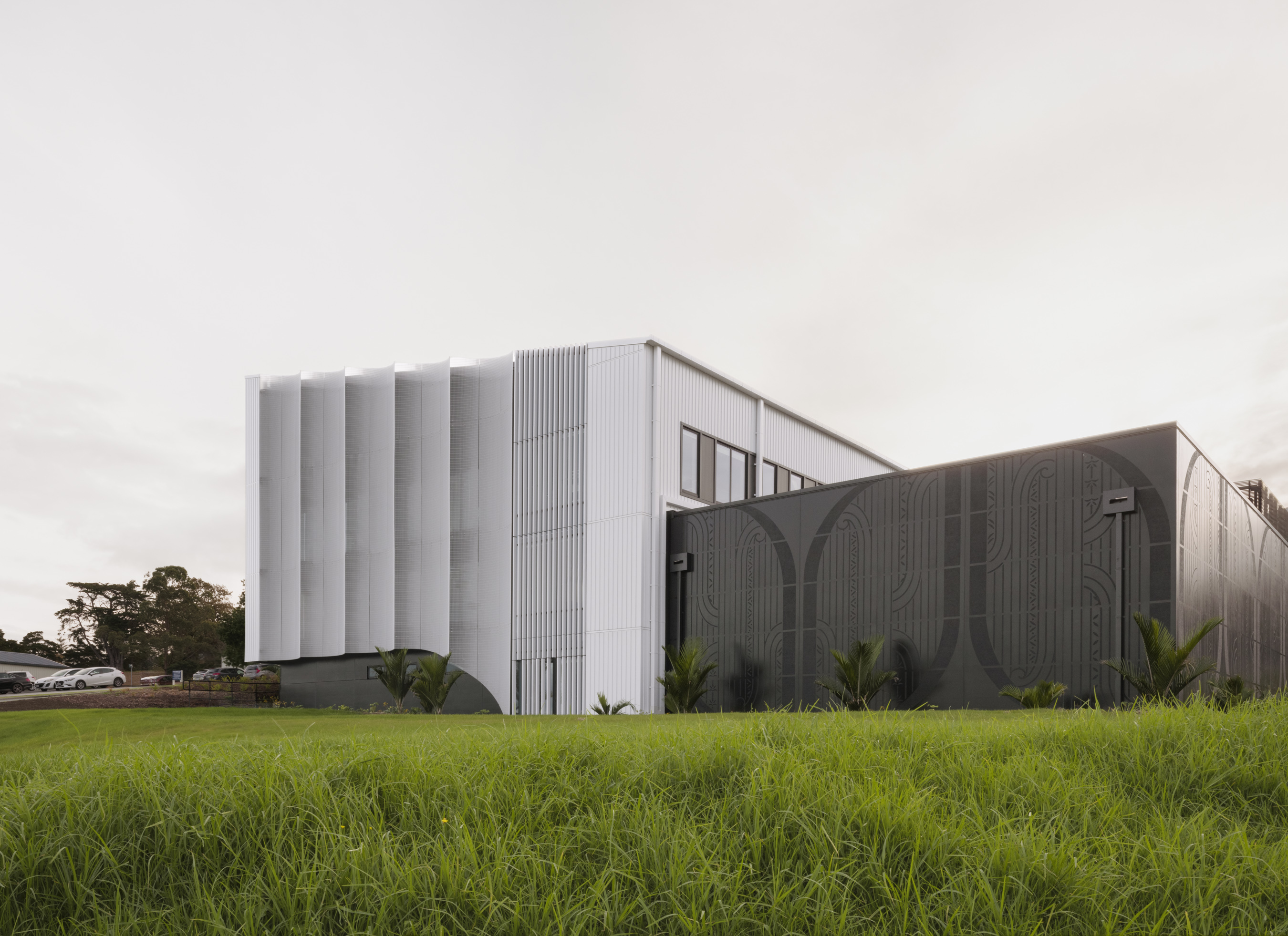
The space is carefully shielded, with 7.5‑metre-high x 2‑metre-thick concrete walls featuring artworks developed by artist Makareta Jahnke from ĀKAU, a Northland design studio that led cultural consultation for the project. The etched work, sandblasted onto the precast concrete panels, represents protection within Te Wao Nui a Tāne, the forest realm belonging to Tāne Mahuta, the god of forests and birds.
Timber finishes
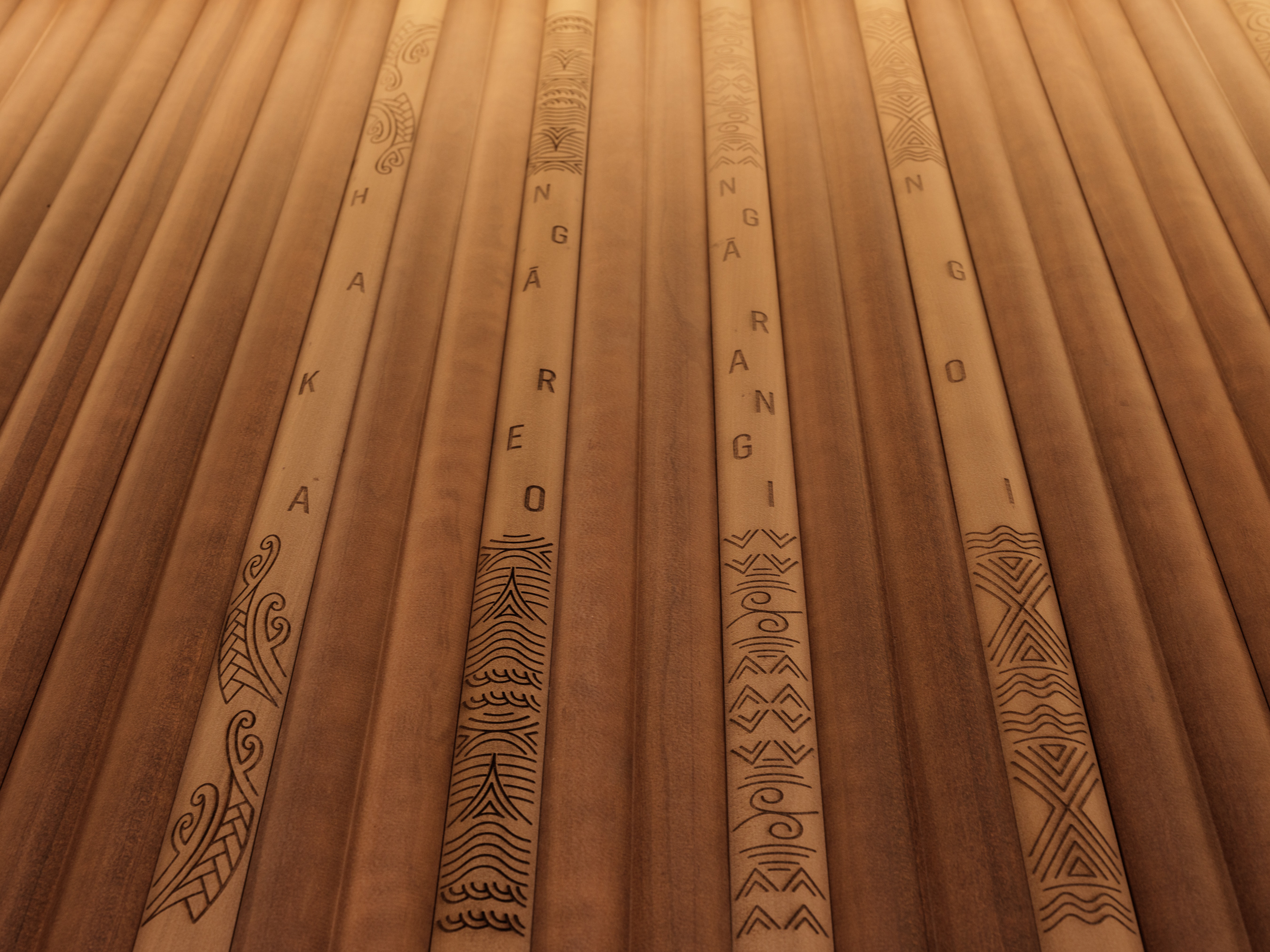
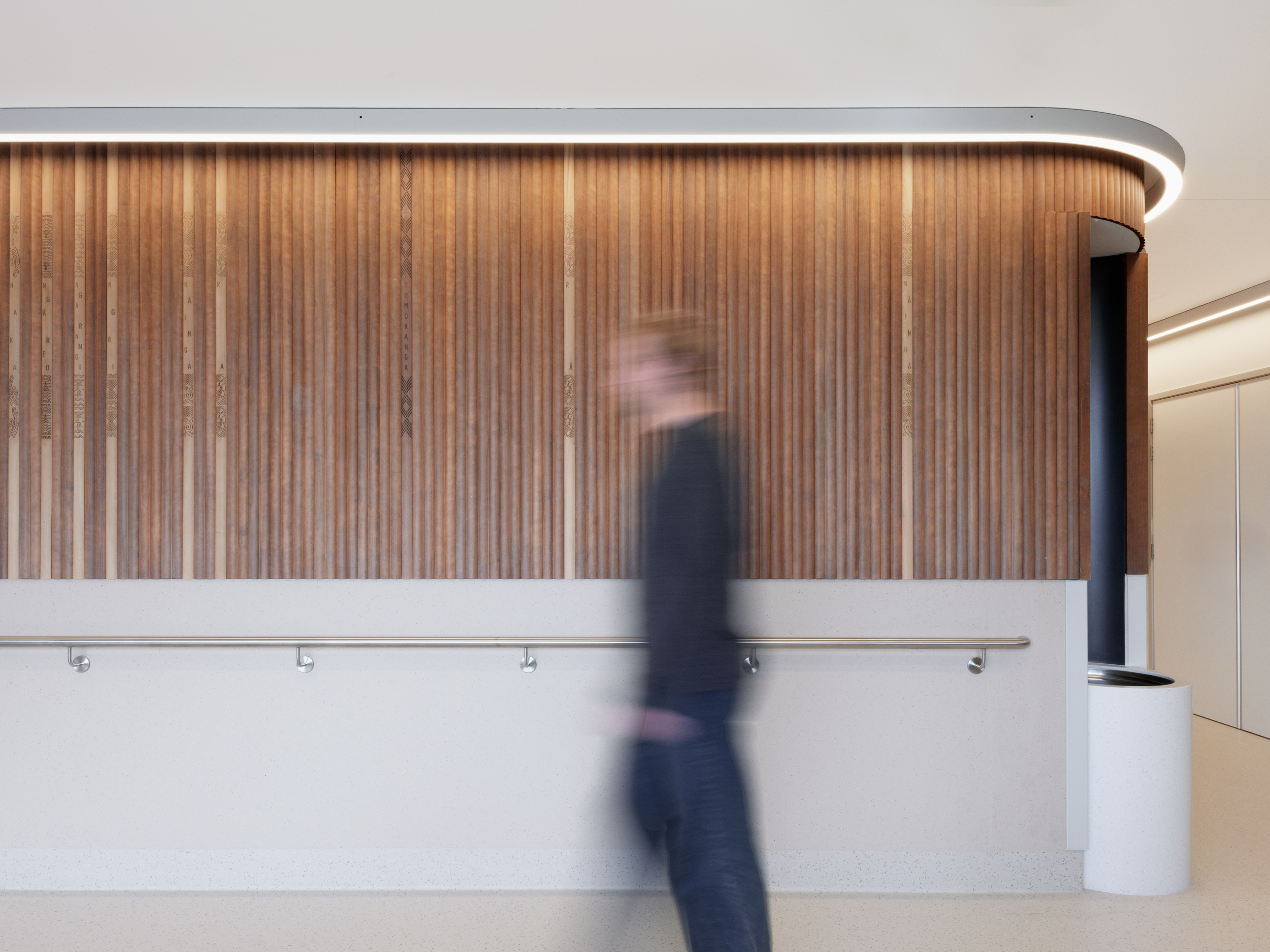
On entering the building, visitors are greeted by timber walls inspired by tukutuku panelling, a traditional Māori art form.
The wall features battens crafted from New Zealand kauri, hand-selected from a Northland business that recovers native timber from the depths of Aotearoa rivers. Some of the kauri pieces are up to 1,200 years old and were sourced from the Mangakāhia River in Northland.
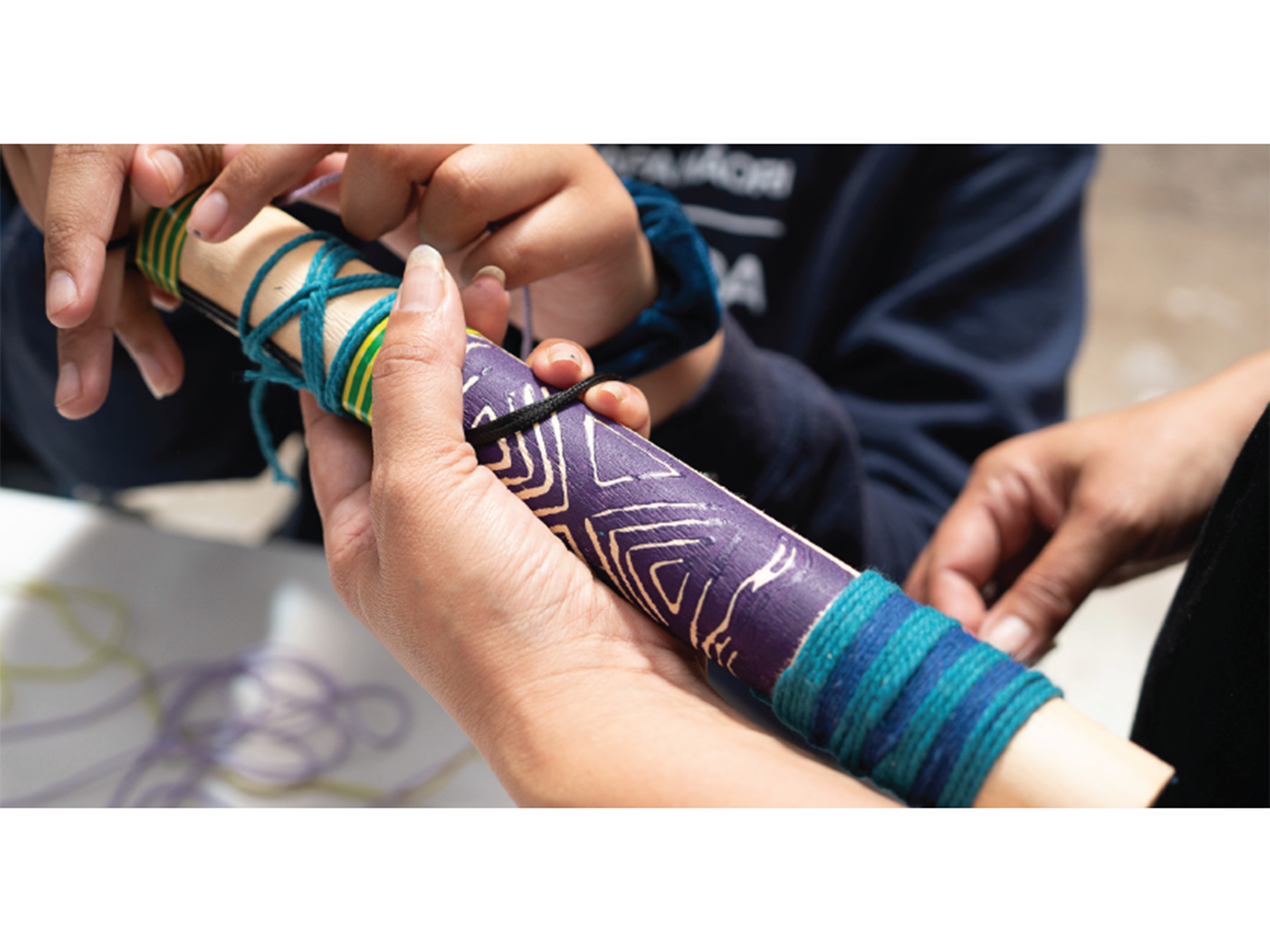
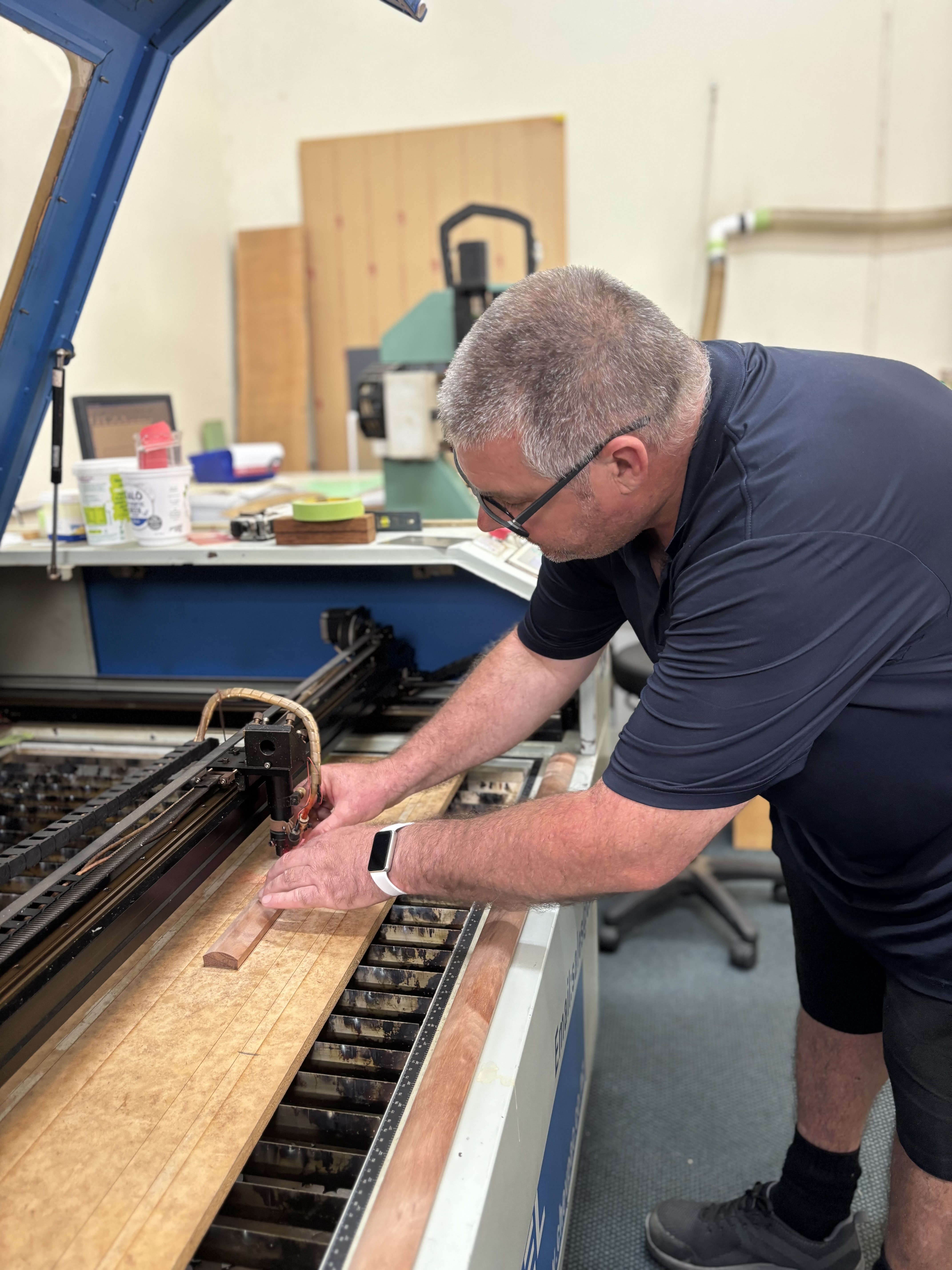
The patterns on the individual battens were developed through workshops with local schools, overseen by Te Ahi Kaa, a group of elders representing iwi and hapū from around the region. The designs were then etched into the panels by engravers.
Based upon the observations of te taiao and star navigation, the artwork is titled “Kapehu Whetu” and references a constellation of stars signifying the first arrival of parāoa (whales) to the area.
For Te Parawhau, the local hapū, these whales are known as their first ancestors, and they are also the brother of the kauri tree.
Treatment room interior artworks
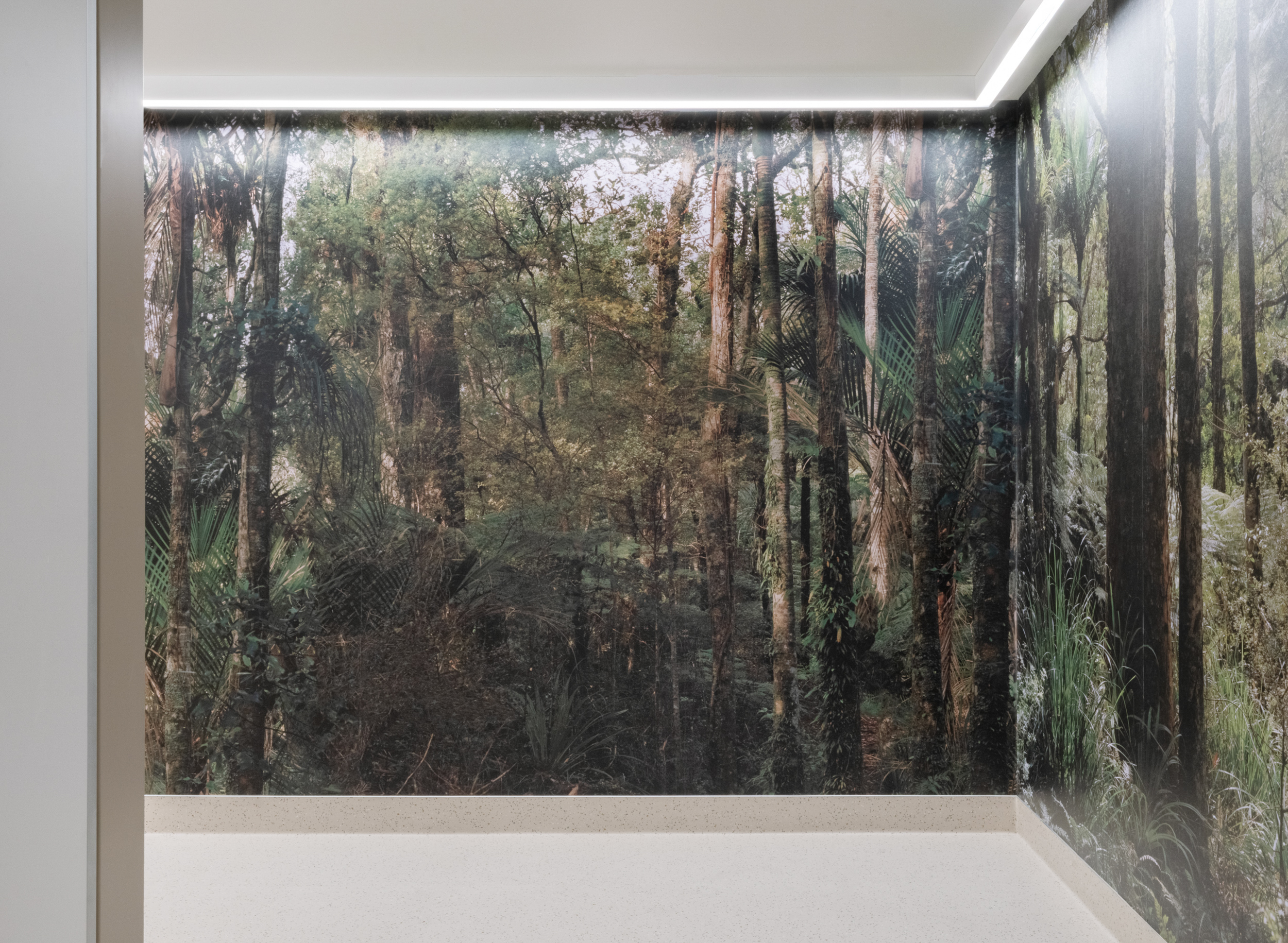
When entering the treatment rooms and waiting areas, visitors will find mahi toi, or artworks, by artist and filmmaker Nova Paul. The design aims to protect the mauri, or lifeforce, of those entering the space, and create a connection to the whenua as part of the healing process.
Covering the walls of the treatment spaces are cyanotype prints titled “Tane te Rongoa” are intended to create a welcoming environment for patients during what is a stressful and challenging time in their life. Because windows aren’t possible in the treatment rooms, the images bring the outside world in, offering a sense of calm and connection to nature for those receiving treatment.
For Northland, Te Hihiri Whakahauora delivers something long overdue: world-class cancer care close to home, deeply rooted in its place. Jasmax is proud to have been one of the many organisations who brought it to life.